
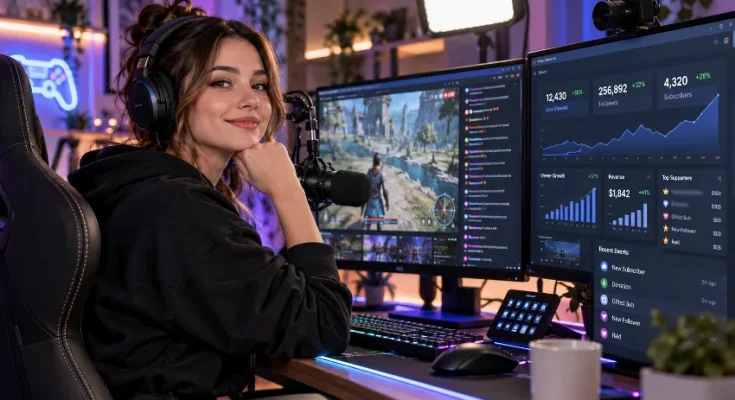
Becoming a successful Game Streamer takes more than impressive gaming skills and a decent internet connection. With countless creators competing for attention on Twitch, YouTube, and other streaming platforms, building a recognizable channel requires strategy, creativity, and consistency.
The good news? You don’t need to be a professional esports player to attract loyal viewers. Successful creators understand audience behavior, develop engaging content, and turn casual visitors into active community members.
This guide explores advanced streaming strategies, audience development, content optimization, monetization opportunities, and the business principles that can transform a gaming hobby into a sustainable creator career.
1. Building a Strong Foundation for Streaming Success
Before thinking about sponsorships or subscriber revenue, every serious content creator needs a clear foundation.
Streaming success begins with understanding your audience, defining your identity, and selecting the right platforms.
Finding Your Unique Streaming Niche
One of the biggest challenges in gaming content creation is standing out from established creators.
Simply broadcasting popular games isn’t always enough. Viewers need a compelling reason to choose your channel over countless alternatives.
A strong niche combines your interests, personality, and audience demand.
For example, a competitive shooter creator might focus on advanced tactical analysis rather than general gameplay commentary.
Another streamer could specialize in independent horror games, challenge runs, speedrunning, or humorous cooperative gaming sessions.
Each approach attracts different audience expectations.
Niche selection should also account for competition. Extremely popular game categories can provide large potential audiences but may make smaller channels harder to discover.
A more focused content category can sometimes create stronger audience relationships.
Developing a Recognizable Personal Brand
Your streaming brand extends beyond a username and profile picture.
It includes your communication style, visual identity, content themes, and the experience viewers associate with your channel.
Some creators build their identity around competitive expertise, while others emphasize humor, storytelling, or community interaction.
Consistency matters because familiar experiences help audiences remember a channel.
A recognizable color palette, professional overlays, clear channel descriptions, and coherent social media profiles can support this identity.
However, branding should never overpower the content itself.
A simple, polished presentation is often more effective than complicated animations that distract from gameplay.
Choosing the Right Streaming Platform
Different platforms support different audience behaviors.
Twitch emphasizes live communities, creator interaction, and streaming-focused discovery features.
YouTube combines live broadcasts with searchable videos, Shorts, and an extensive long-form content ecosystem.
A creator interested in educational gameplay might find value in publishing tutorials alongside live sessions.
Someone focused on long interactive broadcasts may prefer a platform with established live-chat culture.
The best choice depends on content format, audience preferences, regional availability, and monetization opportunities.
Platform policies and eligibility requirements also change, so creators should review official documentation before committing to a business strategy.
2. Optimizing Your Streaming Setup for Professional Quality
Expensive equipment doesn’t automatically create entertaining content.
However, reliable audio, clear video, and stable broadcasts can make a significant difference in how audiences experience your streams.
Prioritizing Audio Quality
Audio is one of the most important elements of a professional broadcast.
Viewers may tolerate slightly reduced video resolution, but distorted microphones and inconsistent sound levels can make streams difficult to enjoy.
A well-positioned microphone often matters more than purchasing premium equipment.
Creators should monitor background noise, microphone gain, and game audio balance.
Noise suppression filters can help reduce keyboard sounds and environmental distractions.
However, excessive filtering may make voices sound unnatural.
Testing audio with recorded samples before going live is a simple way to identify problems.
Configuring Video Resolution and Bitrate
Streaming quality depends on hardware performance, encoding settings, and available upload bandwidth.
Many creators begin with 1080p or 720p broadcasting, selecting frame rates according to game requirements and system capabilities.
Fast-paced competitive titles may benefit from smoother motion, while slower games can prioritize visual detail.
OBS Studio provides an Auto-Configuration Wizard that evaluates hardware and network conditions to recommend suitable settings.
These recommendations offer a practical starting point rather than a guarantee of perfect performance.
Creators should conduct test recordings and private broadcasts to identify dropped frames, encoding overload, or audio synchronization problems.
Stable playback is usually more valuable than pushing resolution beyond what the connection can support.
Designing Stream Overlays and Visual Elements
Professional overlays should provide useful information without covering important gameplay.
Common elements include webcam frames, recent supporter notifications, subscriber goals, and live-chat integrations.
A cluttered screen can make streams difficult to follow, especially on mobile devices.
Design layouts that prioritize gameplay visibility and readability.
Animated alerts can add excitement when used sparingly.
Excessive effects, however, may interrupt important moments and reduce audience engagement.
Visual consistency across live streams, thumbnails, and promotional clips strengthens brand recognition.
3. Advanced Audience Growth and Content Discovery Strategies
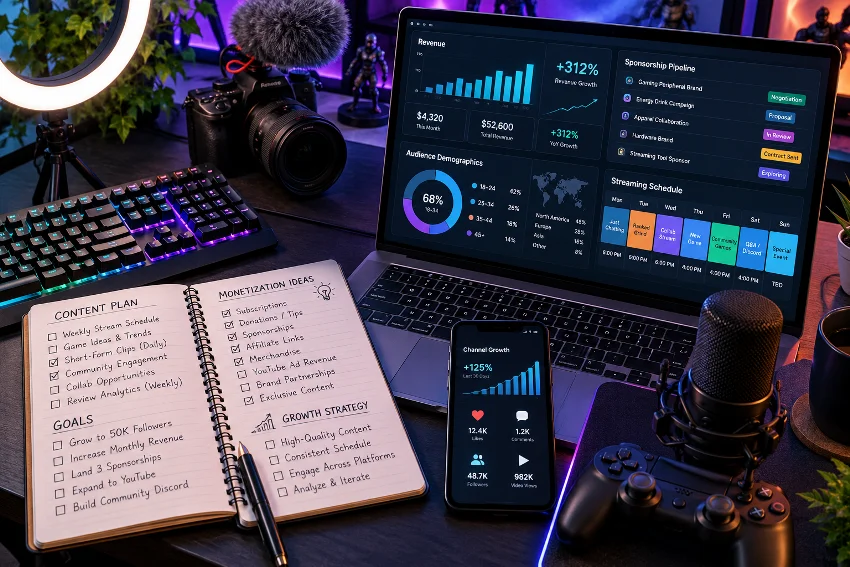
Streaming regularly doesn’t guarantee that new viewers will find your channel.
Sustainable growth usually requires a combination of compelling live content and distribution beyond the streaming platform.
Turning Live Streams Into Discoverable Content
One of the most useful strategies is repurposing live broadcasts into shorter videos.
A three-hour gaming session may contain multiple moments worth sharing.
Funny reactions, impressive plays, educational explanations, and unexpected failures can become independent pieces of content.
Short-form videos introduce the creator to audiences who may never browse live streaming directories.
For example, a competitive gaming creator could publish a 45-second tactical breakdown from a recent ranked match.
The clip provides immediate value while encouraging interested viewers to explore longer content.
The key is selecting moments that work independently, not simply uploading random footage.
Building a Cross-Platform Content Funnel
Successful creators often use different platforms for different stages of audience engagement.
Short-form videos can generate discovery.
Long-form tutorials and gameplay breakdowns help establish expertise.
Live streams provide real-time interaction and strengthen community relationships.
A typical content journey might begin when someone discovers a gaming tip through YouTube Shorts.
The viewer then watches a longer tutorial before eventually joining a scheduled livestream.
This process isn’t automatic, but consistent branding and relevant calls to action can make the transition easier.
Creators should avoid overwhelming audiences with repetitive promotional messages.
Instead, focus on providing a compelling reason to explore additional content.
Using Search-Friendly Gaming Content
Search engine optimization can help gaming videos remain discoverable after publication.
Useful titles describe specific challenges, mechanics, characters, or strategies.
For example, “Advanced Valorant Crosshair Placement for Ranked Matches” communicates a clearer topic than “Crazy Gaming Session.”
Effective video descriptions also help viewers understand what they can expect.
YouTube analytics includes impressions, click-through rate, traffic sources, and watch time measurements that can inform content decisions.
However, these metrics should be interpreted together.
A video with a lower click-through rate may still perform well if it reaches a significantly larger audience.
Strong content packaging combines accurate titles, appealing thumbnails, and videos that deliver on their promises.
Collaborating With Other Gaming Creators
Collaborations introduce creators to communities with related interests.
Successful partnerships usually involve complementary personalities and compatible content styles.
Two strategy-focused creators might organize a cooperative challenge, while entertainment channels could develop a themed multiplayer competition.
The collaboration should provide value to both audiences.
Organic relationships generally produce better experiences than purely transactional promotional exchanges.
Creators can begin by participating respectfully in communities, supporting relevant channels, and developing genuine professional connections.
Audience growth becomes more sustainable when partnerships are built around shared interests.
4. Community Engagement and Viewer Retention
Attracting viewers is important, but convincing them to return is what makes a streaming channel sustainable.
Retention depends heavily on how audiences feel while participating in your content.
Creating Interactive Streaming Experiences
Live broadcasting provides a major advantage over prerecorded entertainment: direct interaction.
Creators can respond to questions, acknowledge returning viewers, and involve audiences in appropriate gameplay decisions.
Polls, community challenges, and interactive discussions can make viewers feel included.
For example, a strategy game streamer might allow viewers to vote between different character builds.
A survival game creator could organize community-selected objectives for the next session.
These interactions help transform passive watching into shared entertainment.
Nevertheless, interaction shouldn’t completely interrupt gameplay or exclude viewers who prefer watching quietly.
Building a Healthy Community Culture
Strong communities require clear expectations.
Chat guidelines should explain acceptable behavior, moderation boundaries, and how members can report problems.
Moderators help manage spam, harassment, and inappropriate comments during busy streams.
A welcoming environment encourages viewers to participate without feeling pressured.
Community spaces such as Discord servers can support conversations between broadcasts.
Creators might organize gaming discussions, scheduled community events, or channels dedicated to sharing fan creations.
However, moderation must extend beyond the live stream.
A poorly managed community server can damage audience trust and create unnecessary problems.
Maintaining a Consistent Broadcasting Schedule
Predictability helps viewers develop habits around a channel.
A creator who broadcasts at consistent times gives their audience more opportunities to plan participation.
However, streaming every day isn’t always necessary.
Three well-prepared broadcasts each week may be more sustainable than daily sessions with declining content quality.
The ideal schedule should reflect audience availability, personal commitments, and the creator’s energy levels.
Publishing upcoming stream times across social channels can also reduce confusion.
Consistency establishes expectations, while flexibility prevents the schedule from becoming unmanageable.
5. Advanced Monetization Strategies for Gaming Creators
Turning streaming into a business requires understanding different income sources.
Relying entirely on advertisements can create financial uncertainty, particularly when viewership fluctuates.
Diversification helps reduce dependence on a single revenue stream.
Subscriptions and Community Support
Subscription programs allow viewers to support creators through recurring payments.
Twitch offers subscriptions and Bits through its monetization ecosystem, subject to account eligibility and current platform rules.
Eligible YouTube creators can also access channel memberships, Super Chat, and Super Stickers through the YouTube Partner Program.
These features provide opportunities to reward loyal audiences with exclusive emotes, badges, or community perks.
However, paid memberships should never make nonpaying viewers feel unwelcome.
The strongest programs offer optional benefits while keeping core entertainment accessible.
Recurring support becomes more sustainable when subscribers understand the value of their contribution.
Advertising Revenue and Monetization Optimization
Advertising can generate income from eligible live streams and video content.
Revenue depends on factors such as advertiser demand, geographic audience distribution, content suitability, and actual ad delivery.
YouTube supports several live advertising formats, including pre-roll and mid-roll ads.
Mid-roll placement can be automated or managed manually according to available settings.
However, excessive advertising may interrupt important gameplay moments.
Creators should consider the audience experience alongside potential earnings.
A short advertisement during a natural break may feel less disruptive than one appearing during a competitive match’s final moments.
Ad revenue should be evaluated as one part of a broader monetization strategy.
Sponsorships and Brand Partnerships
Brand sponsorships can become an important income source for established gaming creators.
Potential partners include peripheral manufacturers, software developers, gaming publishers, and technology companies.
Sponsors usually evaluate more than follower counts.
Audience demographics, content quality, engagement, reputation, and brand compatibility influence partnership decisions.
A creator with 3,000 highly engaged viewers may offer a brand a different kind of value than a larger channel with weak audience interaction.
Successful pitches should explain the creator’s niche and demonstrate relevant performance metrics.
Sponsored content must also be clearly disclosed.
The Federal Trade Commission advises influencers to disclose material relationships with brands, including payments and free products.
Transparency protects audience trust and supports responsible commercial partnerships.
Affiliate Marketing and Digital Products
Affiliate marketing allows creators to earn commissions from qualifying purchases made through tracked referral links.
A gaming creator might recommend equipment they genuinely use, such as microphones, controllers, or keyboards.
However, recommendations should remain accurate and clearly identify any financial relationship.
Creators can also develop their own digital products.
Examples include educational gaming guides, editing presets, coaching services, or downloadable resources.
These products should offer genuine value and reflect the creator’s expertise.
Diversifying into owned products can reduce dependence on changing platform monetization policies.
Still, business costs, customer support, refunds, and taxes must be included when evaluating profitability.
6. Streaming Analytics and Data-Driven Channel Optimization

Creative instincts matter, but analytics help identify what is actually happening inside a channel.
Understanding performance data allows creators to make informed decisions instead of relying on assumptions.
Tracking Average Concurrent Viewership
Average concurrent viewers represent the typical number of people watching simultaneously during a broadcast.
This metric helps evaluate overall live audience size.
For example, a creator might average 120 concurrent viewers across one month and 150 the following month.
That represents a 25% increase in average concurrent viewership.
However, growth should be evaluated alongside streaming hours, game selection, audience retention, and external promotion.
A single unusually successful broadcast can temporarily influence monthly averages.
Longer-term trends are generally more informative.
Measuring Engagement and Viewer Loyalty
Follower growth alone doesn’t indicate a healthy community.
A channel may attract thousands of new followers while experiencing limited repeat attendance.
More useful indicators can include returning viewers, chat participation, average watch duration, and repeat community engagement.
Twitch provides analytics covering audience discovery, engagement, and revenue performance.
YouTube Studio offers additional information about traffic sources and how viewers interact with different content formats.
These insights can reveal whether particular games, schedules, or video formats attract meaningful attention.
Creators should compare their results against previous channel performance rather than relying exclusively on generalized industry benchmarks.
Understanding Revenue per Viewer
Revenue analytics help determine whether monetization methods are performing sustainably.
One useful internal metric is revenue per unique viewer.
Revenue per Viewer = Total Creator Revenue ÷ Unique Viewers
Suppose a creator generates $900 during a reporting period with 15,000 unique viewers.
The resulting revenue per viewer would be $0.06.
This is a hypothetical example, not an expected industry rate.
Calculations should consistently account for platform fees, refunds, and the period being measured.
Revenue trends become more meaningful when combined with subscriber retention and community satisfaction.
Using A/B Testing to Improve Content
Testing different content approaches can improve decision-making.
Creators might compare tutorial-based videos with highlight compilations or evaluate different broadcast start times.
The objective is to change one major variable at a time when practical.
For example, testing two thumbnail styles can help identify which communicates a topic more clearly.
However, small differences in click-through rate shouldn’t automatically be treated as significant results.
Traffic sources, sample size, and audience composition can affect the outcome.
Good experimentation combines quantitative evidence with realistic interpretation.
7. Scaling Streaming Into a Sustainable Creator Business
As a channel grows, the creator’s responsibilities expand beyond broadcasting.
Content planning, partnerships, community moderation, financial administration, and personal well-being become increasingly important.
Creating an Efficient Content Production Workflow
A structured production process reduces unnecessary work.
Creators can organize streaming schedules, clip selection, editing, publishing, and analytics reviews into a repeatable workflow.
For example, one long gaming broadcast might generate several short clips, an educational highlight, and a longer recap video.
Batch editing and scheduling tools can reduce repetitive tasks.
However, automation should support creativity rather than produce low-quality, repetitive content.
A consistent workflow makes it easier to maintain professional standards without spending every waking hour producing material.
Outsourcing and Building a Creator Team
Growing channels may eventually require outside support.
Editors, thumbnail designers, moderators, and community managers can help creators focus on their strongest skills.
Hiring should begin with tasks that consume significant time but don’t require the creator’s direct involvement.
For example, outsourcing basic clip editing may free several hours each week for content planning.
Before hiring, calculate whether the expected benefits justify the cost.
Clear responsibilities, communication standards, and ownership agreements also help prevent misunderstandings.
Building a team is a business decision, not simply a sign of popularity.
Managing Financial Stability and Creator Burnout
Streaming income can fluctuate considerably.
Subscriptions may change, sponsorship opportunities can disappear, and platform algorithms may influence content discovery.
Creators should therefore maintain realistic budgets and avoid assuming every successful month will repeat.
Tracking operating costs, setting aside money for taxes, and maintaining financial reserves can improve stability.
Personal well-being is equally important.
Long broadcasts, constant social media activity, and pressure to remain entertaining can contribute to exhaustion.
Scheduling rest days and maintaining relationships outside streaming help support a more balnced professional life.
A sustainable career requires boundaries as well as ambition.
Building a Long-Term Growth Roadmap
A professional streaming strategy benefits from clear milestones.
During the first stage, creators might focus on identifying their niche, improving broadcast quality, and establishing a reliable schedule.
The next stage could prioritize content distribution, community development, and consistent audience retention.
Once the channel has established a meaningful audience, monetization experiments become easier to evaluate.
Larger creators may then explore sponsorship packages, original products, or collaborative projects.
Every stage should have measurable goals.
More importantly, each goal should reflect what the creator can realistically influence.
Consistency, content quality, audience relationships, and continous learning remain valuable regardless of channel size.
The ultimate objective isn’t simply to achieve viral popularity.
It’s to develop a recognizable creator identity, an engaged audience, and a relable business model capable of supporting future growth.
Becoming a successful Game Streamer requires more than entertaining gameplay. Strategic branding, consistent content production, community engagement, performance analytics, and diversified monetization all contribute to long-term success.
Start by defining your niche, improving your streaming experience, and creating valuable content across multiple platforms. Focus on building genuine viewer relationships, experiment with sustainable revenue opportunities, and keep refining your strategy as your channel grows.
Useful information is often distributed across many websites and specialized platforms. This resource directory provides another way to discover relevant online destinations without limiting your research to a single perspective. Explore related references, uncover additional reading materials, and identify subjects worth investigating further.